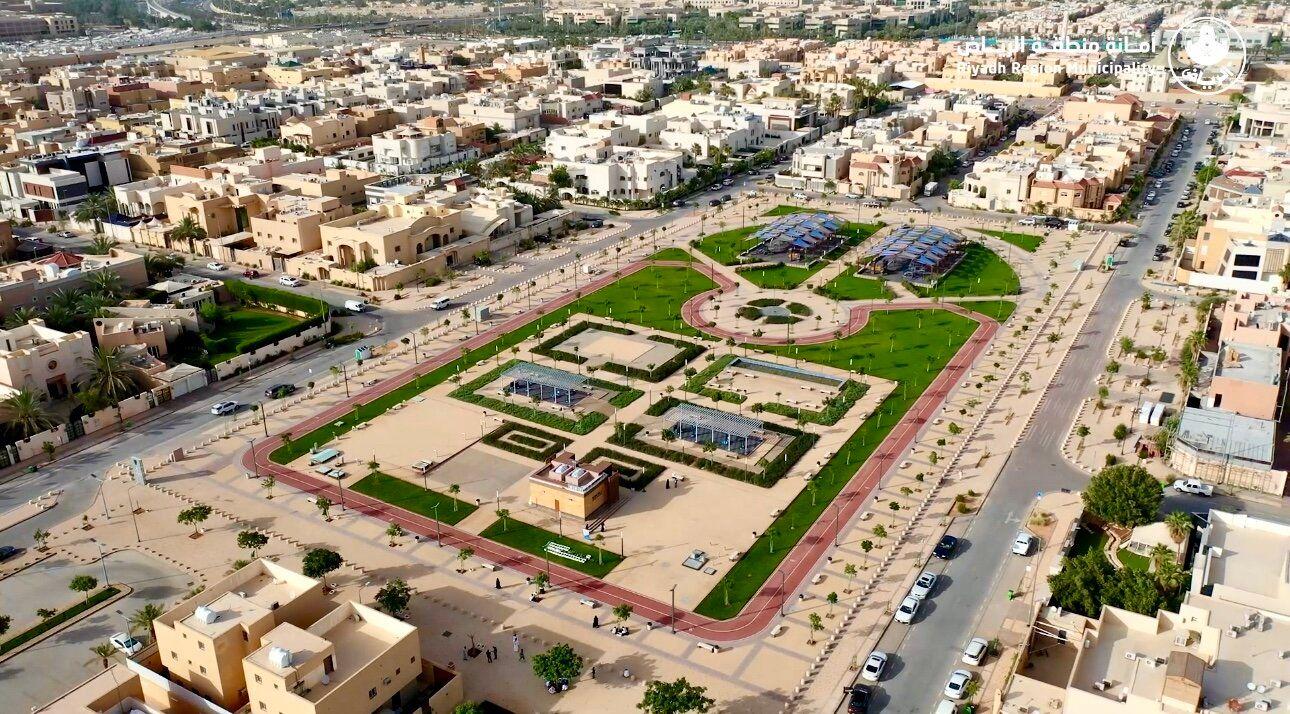
Riyadh Municipality has strengthened Riyadh’s parks by inaugurating 87 new gardens, averaging more than two gardens per month over the past three years.
Over the past three years, Riyadh Municipality has inaugurated 87 new gardens, raising the total number of gardens in the capital to more than 700, compared to 615 previously. This initiative reflects the Municipality’s commitment to enhancing quality of life and advancing the goals of Saudi Vision 2030 to expand green spaces.
The newly established gardens cover a total area of over 745,000 square meters, featuring the plantation of approximately 25,000 shrubs and 7,000 trees distributed across various districts of Riyadh to ensure equitable access to services among neighborhoods.
The Municipality has also modernized the design of the gardens to better meet residents’ needs, introducing new facilities such as children’s nurseries, sports fields, inclusive play areas for people with disabilities, fitness equipment, interactive plazas, and dedicated cycling paths. Sustainability principles were emphasized by engaging the community in garden design, adopting a local identity for service buildings and materials, ensuring universal accessibility, and reducing travel time to nearby parks.
These gardens have transformed into vibrant community hubs, activated with diverse recreational, cultural, social, and sports events that bring residents together and strengthen social bonds.
This effort underscores Riyadh Municipality’s dedication to fulfilling the aspirations of the capital’s residents by improving quality of life and aligning with the objectives of Vision 2030, positioning Riyadh as a global model of a sustainable and thriving city.
Goals
Expanding green spaces to promote sustainability and improve quality of life.
Achieving Vision 2030 targets in developing urban infrastructure.
Transforming parks into community hubs to strengthen social cohesion.
Adding modern facilities that meet the needs of all groups.
Applying sustainability standards in both design and operation.
Customer segments
 Residents